

Caravanning Checklist: Everything You Need for a Stress-Free Trip
Suffolk Caravans Blog
Caravan & motorhome storage, sales, servicing & container storage.
Near Ipswich in Suffolk.
Call Our Office - 01473 622 917
What to Pack, What to Check and What to Do Before Setting Off

A good caravan holiday normally begins before you leave the driveway.
As well as clothes, food and bedding, you need the right towing equipment, water and electrical connections, safety essentials and everything required to set up when you arrive.
This checklist is intended for beginners, but it can also help experienced caravanners avoid those familiar moments when the corner-steady handle, hook-up adaptor or toilet chemicals have somehow been left at home.
Quick answer: Your essentials should include suitable towing and safety equipment, an electrical hook-up cable, fresh- and waste-water containers, cooking equipment, bedding, toiletries and clothing for changing weather. Before setting off, check the caravan’s loading, tyres, hitch, breakaway cable, electrical connection, lights, mirrors, doors, windows and external fittings.
Before Using This Checklist
No two caravan trips are identical. What you need will depend on your car, caravan, passengers, destination, campsite facilities, weather and length of stay.
Use this as a general guide and adapt it to your circumstances. The instructions and limits provided for your car, tow bar, caravan and individual equipment always take priority.
Table of Contents
1. Essentials and Documentation
What to bring
- Driving licence
- Caravan and car insurance details
- Breakdown and recovery information
- Campsite booking confirmation
- Car and caravan handbooks
- Emergency telephone numbers
- Route details or a suitable satnav
- Paper map as a backup
- Bank cards and some cash
- Passports and travel documents when required
- Details of any regular medication
Why it matters
Keeping important information together makes it easier to deal with a breakdown, insurance query or campsite arrival.
Save useful documents on your phone, but keep essential telephone numbers and booking details on paper as well. A flat battery or poor signal should not leave you without the information you need.
Most people with a full Great Britain car driving licence can tow a trailer with a Maximum Authorised Mass of up to 3,500kg. However, you must remain within the separate limits applying to the car, caravan, tow bar and complete outfit.
Check your entitlement using the official GOV.UK towing guidance.
For help understanding caravan cover and security conditions, read our Touring Caravan Insurance Guide for Beginners.
2. Towing and Setup Equipment
What to bring
- Suitable towing mirrors
- Breakaway cable in good condition
- Electrical connection cable
- Hitch lock
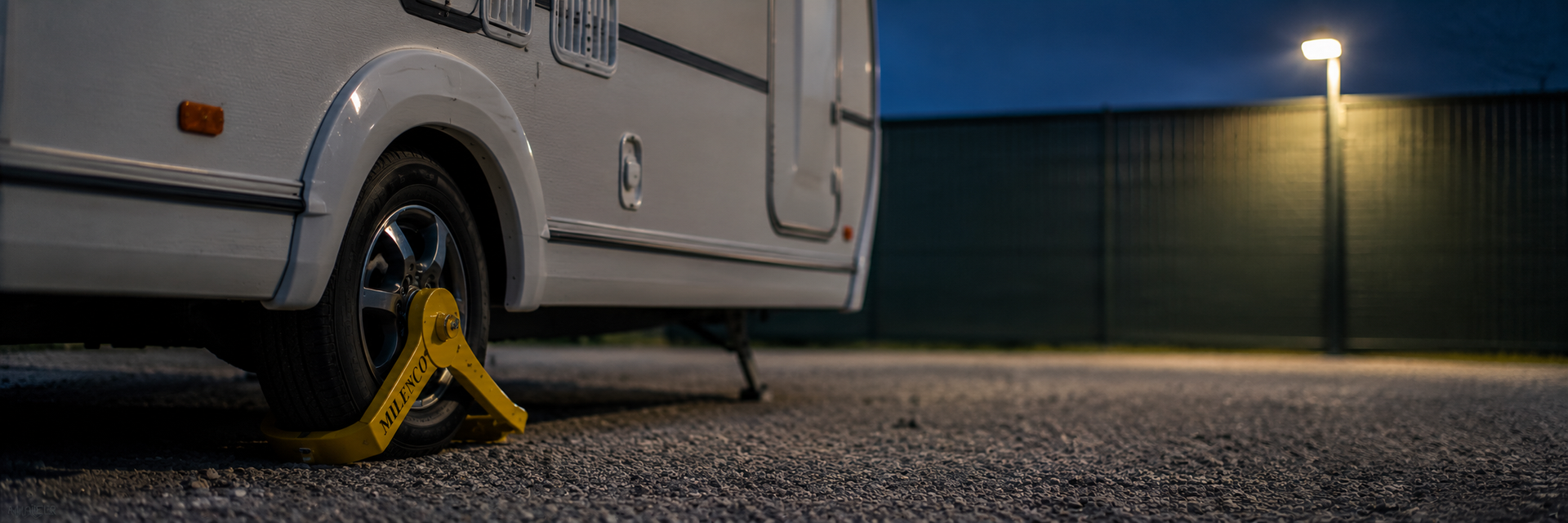
- Wheel lock
- Wheel chocks
- Levelling ramps
- Noseweight gauge
- Torque wrench
- Wheel brace
- Corner-steady winding handle
- Suitable jack
- Spare wheel or approved puncture provision
- Caravan and security-device keys
- Correct number plate
- Work gloves
- High-visibility vest
- Small kneeling mat
Why it matters
Some of these items are needed for towing; others help you secure, level and set up the caravan after arriving.
A braked caravan must have a suitable breakaway cable. It is intended to apply the caravan’s brakes if the caravan separates from the towing vehicle. It must be attached correctly, with enough slack for normal movement but without dragging on the road.
Most car-and-touring-caravan combinations also require extension mirrors to provide an adequate view along both sides and of the road behind.
The DVSA caravan and trailer safety checks explain the principal checks for the coupling, breakaway cable, tyres, lights and number plate.
New to towing? Our Beginner’s Guide to Caravan Towing covers hitching, reversing, loading and planning a first journey.
3. Kitchen and Food Supplies
What to bring
- Pots, pans and cooking utensils
- Plates, bowls, mugs and glasses
- Cutlery
- Kettle or coffee maker
- Chopping board
- Knife stored safely
- Tin opener and bottle opener
- Washing-up liquid
- Sponge, cloths and tea towels
- Kitchen roll
- Bin bags
- Food-storage containers
- Basic seasonings and sauces
- Planned meals, drinks and snacks
- Fresh drinking water
- Cool box or ice packs when needed
Why it matters
Planning a few meals before leaving can reduce waste, unnecessary expense and repeated trips to the nearest shop.
Check what is already stored in the caravan so you do not carry duplicates. Food, bottled drinks and cookware all count towards the available payload.
One practical caravanning rule is to keep the kettle, mugs and tea or coffee somewhere accessible. The first drink after pitching is far less relaxing when everything you need is buried underneath the awning, bedding and folding chairs.
4. Bedding and Clothing for UK Weather
What to bring
- Pillows
- Bedsheets
- Duvets or sleeping bags
- Mattress protector
- Extra blanket
- Nightwear
- Everyday clothing
- Warm layers
- Waterproof coats
- Comfortable walking shoes
- Waterproof footwear
- Sun hat and warm hat
- Swimwear when needed
- Laundry bag
- Small quantity of washing detergent
Why it matters
British weather can change quickly, and evenings may become cold even after a warm day. Several light layers are usually more useful than one bulky coat.
Check the forecast, but prepare for conditions to change. Shoes that can cope with wet grass are particularly useful when the water container needs refilling first thing in the morning.
Before packing bedsheets, confirm the size and shape of the caravan beds. Caravan mattresses do not always match standard household sizes.
5. Bathroom and Hygiene Must-Haves
What to bring
- Toilet chemicals suitable for your system
- Toilet paper suitable for caravan use
- Disposable gloves
- Cassette cleaning products
- Towels
- Toiletries
- Hand soap and sanitiser
- Shower shoes
- Wash bag
- Fresh-water container
- Waste-water container
- Water pump or hose, as required
Why it matters
Caravan toilet and water systems vary, so use products suitable for the equipment fitted to your caravan.
The toilet cassette itself is normally already installed. What you need to pack are the chemicals, gloves and cleaning products used when emptying and maintaining it.
Check the campsite’s water and disposal facilities before leaving. The walk to the tap or chemical-disposal point always feels longer when you are carrying the wrong container, or have forgotten its cap.
6. Safety and Maintenance Essentials
What to bring or check
- First-aid kit
- Working smoke alarm
- Working carbon monoxide alarm
- Fire blanket
- Suitable fire extinguisher
- Torch or headlamp
- Spare batteries
- Phone chargers
- Basic caravan toolkit
- Spare fuses of the correct type
- Cable ties and strong repair tape
- High-visibility clothing
- Warning triangle
- Breakdown contact information
- Essential medication
Why it matters
Basic tools, lighting and emergency information can prevent a small fault from disrupting the entire trip.
Test smoke and carbon monoxide alarms before leaving, and make sure everyone knows how to exit the caravan quickly.
Never place a warning triangle on a motorway. If you break down, follow the current Highway Code guidance for breakdowns and incidents.
Do not apply general-purpose lubricant to towing components unless the manufacturer specifically recommends it. Stabiliser friction pads and compatible tow balls may need to remain clean and dry.
Concerns about gas, water, electrical or safety systems should be investigated before the holiday. Independent specialists based at Suffolk Caravans offer servicing, repairs and habitation checks.

7. Outdoor and Leisure Gear
What to bring
- Camping chairs
- Outdoor table
- Awning or canopy
- Suitable awning pegs
- Mallet and peg puller
- Groundsheet permitted by the campsite
- Outdoor lighting
- Barbecue or portable grill
- Cool box
- Outdoor games
- Bicycles and locks
- Walking equipment
- Books, cards or games
- Sun cream and insect repellent
- Outdoor mat
Why it matters
Chairs, a table and some shelter can turn the pitch into useful extra living space.
Check the campsite’s rules before using an awning, groundsheet or barbecue. Some sites restrict particular groundsheet materials, open fires or where cooking equipment may be positioned.
Never use a charcoal or gas barbecue inside a caravan, awning, tent or other enclosed space because of the risk of fire and carbon monoxide poisoning. Let it cool completely before storing it.
If the awning is wet when you leave, pack it separately where possible and open it out to dry as soon as you return. Few things smell more recognisably of a forgotten caravan job than an awning left damp in its bag.
8. Optional Extras That Make Life Easier
What to bring
- 25-metre caravan electrical hook-up cable
- Suitable mains adaptor when required
- Power bank
- Device chargers
- Low-wattage heater or fan suitable for caravan use
- Clothes airer and pegs
- Dustpan and brush
- Reusable shopping bags
- Umbrella
- Portable vacuum cleaner
- Spare towels
- Earplugs and sleep masks
- Notebook and pen
- Local guidebook
Why it matters
You will not need every extra on every holiday, but a few well-chosen items can make a noticeable difference.
Use a purpose-made caravan hook-up cable rather than an ordinary household extension lead. Check it for damage, unwind it fully and follow the campsite’s connection instructions.
Campsite electrical supplies have limited capacity. Check the available amperage before using kettles, heaters, hairdryers or several appliances at once.
The Camping and Caravanning Club provides further advice in its campsite electricity guidance.

9. Final Checks Before You Leave
Before moving, confirm that:
- The car and caravan are within their permitted weight limits.
- Heavy items are low, close to the axle and secured.
- Nothing can move or fall while travelling.
- Noseweight is within the lowest applicable limit.
- Tyre pressures are correct.
- Tyres are free from visible damage.
- Wheel bolts have been checked as required.
- The hitch is fully engaged.
- The stabiliser is applied correctly, if fitted.
- The breakaway cable is attached correctly.
- The electrical plug is secure and its cable cannot drag.
- All road lights and indicators work.
- Towing mirrors are fitted and adjusted where required.
- The number plate matches the towing vehicle.
- The jockey wheel is raised and secured.
- Corner steadies are fully raised.
- The motor mover is disengaged.
- Wheel chocks and levelling ramps have been removed.
- The entrance step is stored or retracted.
- The awning, water and electrical connections are disconnected.
- Doors, lockers, windows and rooflights are secured.
- Cupboards and drawers are closed.
- The television aerial is lowered.
- The refrigerator door is secured and set correctly for travel.
- Gas cylinders are turned off unless the installation is specifically approved for use in transit.
- The caravan handbrake is released when ready to move.
- The route is suitable for the outfit.
- Someone has completed a final walk around.
The caravan must not be overloaded, its contents must be secured and the specified noseweight limits must be followed. These responsibilities are covered by Highway Code Rule 98.
For a fuller explanation, read Caravan Towing Laws UK: 10 Practical Checks to Stay Legal.
If this general checklist conflicts with the instructions for your particular equipment, follow the manufacturer’s instructions.
🔗 DOWNLOAD THE PRINTABLE CARAVANNING CHECKLIST (Easy to print A4-friendly pdf.)
Tip: Keep a copy in the caravan and use it on the return journey as well. Familiarity makes the smallest steps surprisingly easy to miss.
10. Useful Final Planning Reminders
Before leaving, ask:
- Have we confirmed the campsite’s arrival time?
- Do we know where to check in?
- Is the route suitable for the caravan’s height, width and weight?
- Are there roadworks or planned closures?
- Is severe weather forecast?
- Where can we stop safely during the journey?
- Does the breakdown policy cover both car and caravan?
- Do we have the campsite’s telephone number?
- Are pets accepted?
- What electrical supply is available?
- Where are the fresh-water and disposal points?
- What is supplied if the caravan is hired?
- Does somebody know our route and expected arrival time?
Check directly with the campsite rather than assuming its facilities and rules will be the same as those at a previous site.
If you are considering a first trip, read our guide to hiring a touring caravan. Hiring can help you discover which layouts and features matter before deciding whether to buy.
11. Frequently Asked Questions
Do I need a special licence to tow a caravan?
Most people with a full Great Britain car driving licence can tow a trailer or caravan with a Maximum Authorised Mass of up to 3,500kg.
You must still comply with the limits applying to the car, caravan, tow bar and axles. Check your individual licence record and the latest GOV.UK towing guidance.
Different arrangements apply in Northern Ireland.
How do I avoid overpacking?
Plan your meals and clothing, check what is already in the caravan and avoid carrying duplicate equipment.
Food, water, gas bottles, a battery, motor mover and awning all use some of the available payload. The weight plate shows the permitted maximum, not what the caravan weighs after it has been packed.
A public weighbridge can confirm its actual laden weight.
What items are easy to forget?
Small items cause many of the most annoying problems. These can include toilet chemicals, towing mirrors, security keys, the corner-steady handle, phone chargers and the hook-up cable.
Some owners keep a small “arrival box” near the caravan door containing the keys, levelling equipment, gloves, electrical adaptor and other things needed before anything else is unpacked.
Is caravanning suitable for beginners?
Yes, provided you prepare properly and learn how to use and tow the caravan safely.
Practise hitching and reversing somewhere quiet, allow more time than you think you will need and ask questions when you are unsure. A recognised towing course can also help.
Do I need everything on this list?
No. A short stay on a fully serviced pitch requires different equipment from a longer trip with fewer facilities.
Adapt the checklist as you gain experience. After a few holidays, most caravanners develop their own list, usually including one oddly specific item they once forgot and have never forgotten again.
Should I have my caravan checked before travelling?
Make sure the caravan is roadworthy and that its important systems are working safely.
Follow the manufacturer’s servicing schedule and check any requirements imposed by your insurer or warranty provider.
Arrange professional assistance if you are uncertain about the brakes, running gear, tyres, gas, electrics or water systems.
12. Final Thoughts
A written checklist removes much of the last-minute guesswork from preparing for a trip. Keep a copy in the caravan, change it as you learn what works for you and remember to use it before travelling home.
Allow enough time for the final checks. Rushing because the pitch must be vacated, or because everyone is waiting in the car, is when an aerial, step, rooflight or electrical cable is most likely to be overlooked.
Once the steadies are raised, the Aquaroll is empty, the fridge door is properly latched and someone has completed one last walk around, you can concentrate on the journey.
Help Between Caravan Holidays
Suffolk Caravans is a family-run business near Ipswich providing secure CaSSOA Gold caravan and motorhome storage, together with caravan sales and touring caravan hire.
Customers also have convenient access to independent on-site specialists offering servicing, repairs, habitation checks, pre-trip preparation and valeting. Work can be arranged while a caravan or motorhome remains in storage, avoiding the need to transport it between different locations.
Find out more about secure caravan storage in Suffolk or the servicing and repair facilities available on site.
To discuss storage, sales, hire or the services available at Suffolk Caravans, call 01473 622 917 or contact our team.
Authoritative Sources and Further Reading
- GOV.UK: Towing with a car
- DVSA: Caravan and trailer safety checks
- Highway Code Rule 98: Vehicle towing and loading
- Highway Code: Breakdowns and incidents
- Camping and Caravanning Club: Pre-journey safety checklists
- Camping and Caravanning Club: Campsite electricity
Information checked against the linked guidance in September 2026. Requirements can change, so confirm the latest information before travelling.
You might also like