


Container Storage in Suffolk: A Practical Guide
Suffolk Caravans Blog
Caravan & motorhome storage, sales, servicing & container storage.
Near Ipswich in Suffolk.
Call Our Office - 01473 622 917
What to know about security, access, ventilation, condensation and insurance before renting a shipping container for household or business storage...
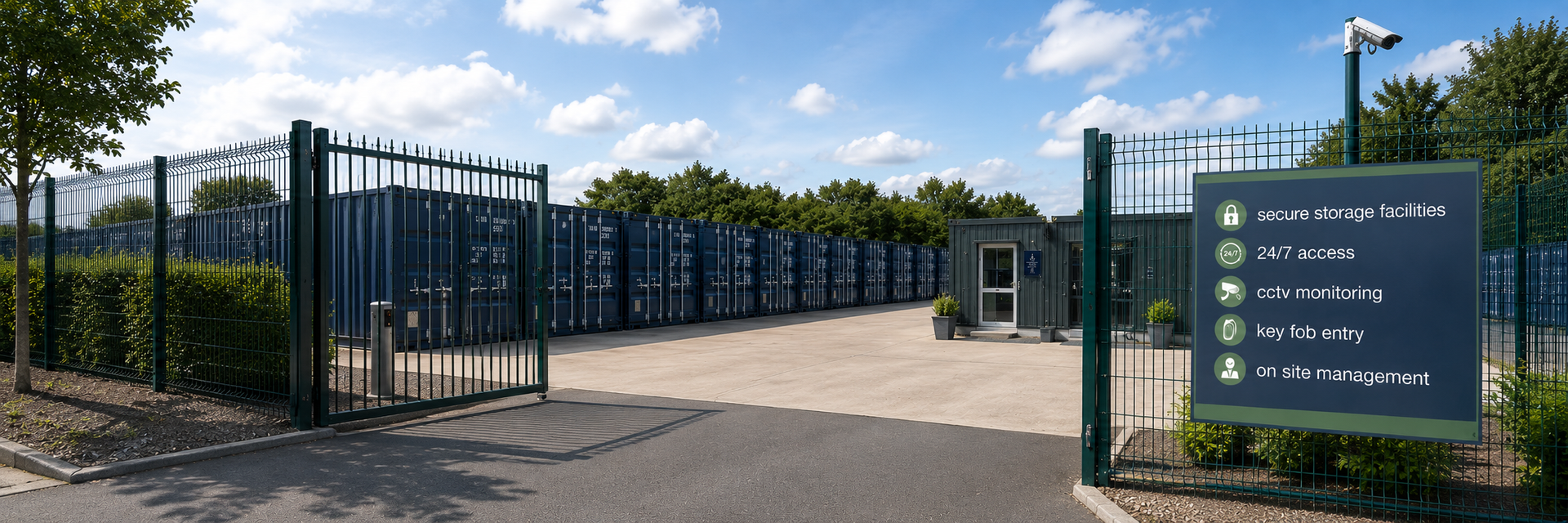
Is container storage right for you?
When a delayed house move leaves you between properties, a renovation takes over the garage or business stock starts filling the spare room, running out of space can happen surprisingly quickly.
Shipping container storage works much like having an extra garage away from home. You place your belongings in a private steel container, secure it and return when you need something, without having to rent larger premises or fill every available corner of your property.
However, not every container or storage facility offers the same conditions. Security, ventilation, access, insurance and the way belongings are packed can all make a significant difference.
This guide explains how shipping container storage works, what it is suitable for, how to reduce condensation risk and what to check before choosing a storage facility.
Quick answer
Shipping container storage can provide a secure, flexible and cost-effective way to store household belongings, furniture, tools, business stock, caravan equipment and seasonal items.
Containers are designed to protect their contents from external weather, but ordinary storage containers are not climate-controlled. Built-in ventilation can help reduce condensation, although belongings must still be clean, dry and packed carefully.
Before renting, check the condition and size of the container, site security, access arrangements, insurance requirements, prohibited items, rental terms and what is included in the price.
Contents
- How does shipping container storage work?
- When is container storage useful?
- What can you store in a shipping container?
- What shouldn’t be stored?
- Ventilation, condensation and protecting your belongings
- Security, access and insurance
- What should you check before renting?
- Frequently asked questions
- Container storage near Ipswich
How does shipping container storage work?
Many container storage facilities use genuine steel shipping containers positioned within a managed site or compound.
The customer normally rents an individual container rather than sharing space with other users. You load and organise your belongings, secure the doors and return according to the facility’s customer access arrangements.
Because containers are located at ground level, they can be convenient for furniture, tools, machinery and other items that would be awkward to carry through corridors or into an upper-floor storage unit.
Some facilities also allow vehicles to approach the containers, although this should always be confirmed before renting.
How much space does a shipping container provide?
Container sizes vary, so check the internal dimensions rather than relying on the external length alone.
As a useful comparison, a standard 20ft shipping container generally provides around 150 square feet of internal floor space. For example, specifications published by Hapag-Lloyd show internal measurements of approximately 5.9 metres by 2.35 metres, although dimensions can vary slightly between manufacturers.
This is broadly comparable to the floor area of a single garage. The long, rectangular space can be organised effectively using sturdy boxes, freestanding shelving and a central walkway.
However, the amount that will fit depends heavily on the size and shape of the belongings being stored. Avoid relying on claims that a container will always accommodate the contents of a particular type of house. Two three-bedroom homes can contain very different amounts of furniture and equipment.
When is container storage useful?
Most of us eventually run short of space. The difficulty is often not deciding what to keep, but finding somewhere practical to put it.
Container storage may be helpful when:
- Moving house, particularly when completion dates do not align
- Renovating or extending a property
- Decluttering before selling a home
- Storing furniture between tenancies
- Keeping seasonal stock or business equipment
- Freeing up space in a workshop, garage or spare room
- Storing tools and materials used by a tradesperson
- Keeping garden furniture, bicycles or leisure equipment out of the way
- Storing belongings while travelling or working away
- Keeping caravan and motorhome equipment between trips
Caravan and motorhome owners may find a separate container particularly useful for bulky awnings, outdoor furniture, hitch locks, water carriers and other touring equipment. It can free up space at home and prevent unnecessary equipment from being carried on every journey.
The Self Storage Association UK Annual Industry Report 2026 found that 76% of self-storage use was domestic, with lack of space at home cited as the main reason for storing. It also reported that container storage accounted for 40% of new storage-site openings.
Short-term or long-term storage?
Short-term storage can help during a move, renovation or temporary change in circumstances. Long-term storage may suit businesses, tradespeople, caravan owners or households that regularly need additional space.
Before renting, check the minimum rental period, notice requirements and whether the price changes for longer stays. A flexible agreement can be useful, but the terms should still be clear from the beginning.
Location also matters, particularly if regular access is likely. A facility close to home, work or a frequently travelled route can make it much easier to collect tools, rotate seasonal belongings or manage business stock at short notice. Limited access hours or an inconvenient journey may become frustrating during long-term use.

What Can You Store in a Shipping Container?
A clean, well-maintained and ventilated container can accommodate many common household and business items.
These may include:
- Household furniture
- Beds and mattresses, if properly protected
- Boxed personal belongings
- Tools and workshop equipment
- Business stock and materials
- Office equipment and archived records
- Caravan and motorhome accessories
- Bicycles and leisure equipment
- Garden furniture and machinery
- Car parts and tyres
- Exhibition or event equipment
- Seasonal decorations
- DIY and hobby equipment
Some belongings need more care than others. Paperwork, books, clothing, soft furnishings, photographs, musical instruments and electronics can be more sensitive to moisture and temperature changes.
An ordinary shipping container is not the same as a temperature-controlled storage room. If an item is particularly valuable, delicate or vulnerable to moisture, it is sensible to check its suitability with the storage facility and your insurer before placing it into storage.
What shouldn’t be stored?
Every facility has its own storage agreement, but commonly prohibited items include:
- Flammable liquids and fuels
- Explosives, fireworks or gas cylinders
- Hazardous chemicals or toxic materials
- Illegal or stolen goods
- Perishable food
- Waste or materials that may leak
- Plants, animals or other living things
- Firearms, ammunition or weapons
- Damp, mouldy or contaminated belongings
Vehicles, batteries, powered equipment and machinery may be subject to additional conditions. For example, fuel may need to be drained and batteries disconnected or removed.
Always check the facility’s prohibited-items list. If you are uncertain about a particular item, obtain permission before storing it rather than assuming it will be accepted.
Ventilation, condensation and protecting your belongings
One of the most common questions about container storage is whether belongings can become damp.
A good-quality shipping container is designed to keep external weather out. However, this does not mean it is completely airtight, climate-controlled or immune from condensation.
A container does not literally “sweat”, but the effect can look similar to moisture forming on the outside of a cold drinks can. When warmer, moisture-laden air meets a colder steel surface, condensation can form.
Moisture can enter when:
- Damp furniture, fabrics or outdoor equipment are loaded
- Appliances have not been completely drained
- Wet shoes, tools or garden machinery are placed inside
- Ventilation points are obstructed
- Items are packed tightly against the walls
- Doors remain open during wet weather
- Seasonal temperature changes cool the steel surfaces
Built-in vents allow a controlled amount of air movement, helping trapped moisture escape. Ventilation can reduce condensation risk, but it cannot guarantee completely dry conditions.
Important: A weather-resistant shipping container is not the same as a climate-controlled room. Dry packing, suitable protection and sufficient airflow around stored belongings still matter.
How to prepare belongings for container storage
Before placing anything into storage:
- Make sure every item is clean and completely dry.
- Drain water from washing machines, dishwashers and other appliances.
- Empty fuel from machinery if required by the storage agreement.
- Use sturdy, clearly labelled boxes.
- Avoid damaged cardboard boxes that may absorb moisture.
- Use suitable covered boxes for clothing, books and paperwork.
- Keep vulnerable items away from the steel walls.
- Use pallets or shelving where appropriate to raise items from the floor.
- Leave small gaps between larger items to improve air circulation.
- Keep the container’s ventilation points clear.
- Avoid tightly wrapping damp or recently cleaned items in plastic.
- Place items you are likely to need near the doors.
- Create a narrow walkway if regular access will be required.
- Keep an inventory and photographs of valuable belongings.
- Check the container periodically during long-term storage.
Mattresses and upholstered furniture should be completely dry before being covered. Use breathable protective covers where appropriate and avoid placing soft furnishings directly against the container walls.
A little planning when loading can prevent a great deal of frustration later. The item you need first has an unfortunate habit of ending up at the very back.
Security, access and insurance
The strength of the container itself is only one part of storage security. The wider site and the way access is managed are equally important.
What security should you look for?
Depending on the facility, useful security measures may include:
- CCTV monitoring
- Controlled vehicle and pedestrian access
- Perimeter fencing or secure boundaries
- Suitable lighting
- On-site staff or regular site management
- Individually secured containers
- Strong doors and locking points
- A clear record of authorised customers
No storage arrangement can eliminate every risk. Good security works in layers, with the container, lock, access system and wider site protecting one another.
Check whether you must provide your own lock and, if so, what type is recommended. A strong lock is only effective when it is compatible with the container’s locking system.
How often can you access your container?
Access varies considerably between facilities. Some operate during staffed opening hours, while others give customers extended or 24-hour access through a controlled gate or key-fob system.
Consider how you will actually use the space.
A household storing furniture during a renovation may need access only occasionally. A tradesperson storing tools or a business holding stock may need to visit much more frequently.
Confirm:
- The days and times when access is available
- Whether advance notice is required
- Whether vehicles can approach the container
- Whether access arrangements change outside staffed hours
- What happens if a key, code or access fob is lost
- Whether assistance is available if there is an access problem
Do you need insurance?
Do not assume that the storage facility automatically insures your belongings.
Some facilities may offer insurance, while others require customers to arrange their own cover. Existing home or business insurance policies may provide limited protection, but off-site storage is not always included automatically.
Before storing valuable belongings:
- Check whether insurance is included or available separately.
- Check the maximum level of cover.
- Confirm whether theft, fire, water damage and accidental damage are included.
- Tell your insurer exactly where and how the items will be stored.
- Keep receipts, photographs and an inventory where possible.
- Check whether any types of item are excluded.
The storage agreement and insurance policy are separate documents. An item being permitted by the storage facility does not necessarily mean it is covered by your insurer.
What should you check before renting?
Use these questions when comparing container storage facilities:
- What size is the container and what are its internal dimensions?
- Is the container clean, structurally sound and ventilated?
- What security operates across the wider site?
- How is customer access controlled?
- When can I access my container?
- Can I drive up to the unit?
- Do I provide my own lock?
- What items are prohibited?
- What insurance do I need?
- What is the minimum rental period?
- How much notice must I give when leaving?
- Is a deposit required?
- Is VAT included in the quoted price?
- Are there any additional access or administration charges?
- What support is available if there is an access problem?
If possible, visit the facility before committing. Check the condition of the actual container, not just photographs of a similar unit.
Look at the doors, seals, ventilation points, floor and roof. The doors should close properly, and there should be no visible holes, major corrosion or signs of water entering.
Frequently asked questions
Are shipping containers damp-proof?
A sound container should prevent rain from entering, but no ordinary shipping container should be treated as climate-controlled or completely condensation-proof.
Built-in ventilation, careful packing and loading only dry belongings can help reduce moisture risk.
Is shipping container storage secure?
It can provide a high level of security when a strong, individually locked container is located within a well-managed site.
Look beyond the container doors and consider CCTV, controlled entry, perimeter protection and site management.
Can furniture be stored in a shipping container?
Yes, provided it is clean, completely dry and suitably protected.
Keep furniture away from the steel walls and raise vulnerable pieces from the floor where appropriate.
Upholstered items and mattresses require particular care.
Can I store tools and business stock?
Tools, materials and business stock are common uses for container storage.
Check the facility’s prohibited-items policy, access arrangements and insurance requirements, particularly for expensive equipment or hazardous materials.
Can I store documents, clothing or electronics?
These items can be more vulnerable to moisture and temperature changes.
Use suitable covered containers, maintain airflow and check that your insurance provides appropriate cover.
Particularly sensitive or irreplaceable items may be better suited to climate-controlled storage.
How much fits into a 20ft shipping container?
A typical 20ft container offers around 150 square feet of internal floor space, but exact dimensions vary.
How much it holds depends on the size of the furniture, the use of shelving and how efficiently everything is packed.
Can I access my container whenever I want?
This depends on the storage facility.
Some restrict access to opening hours, while others provide controlled access around the clock.
Confirm the arrangements before signing an agreement.
Is container storage suitable for long-term use?
It can be, provided the container is suitable, items are prepared carefully and the unit is checked periodically.
Moisture-sensitive belongings require additional consideration when stored through different seasons.
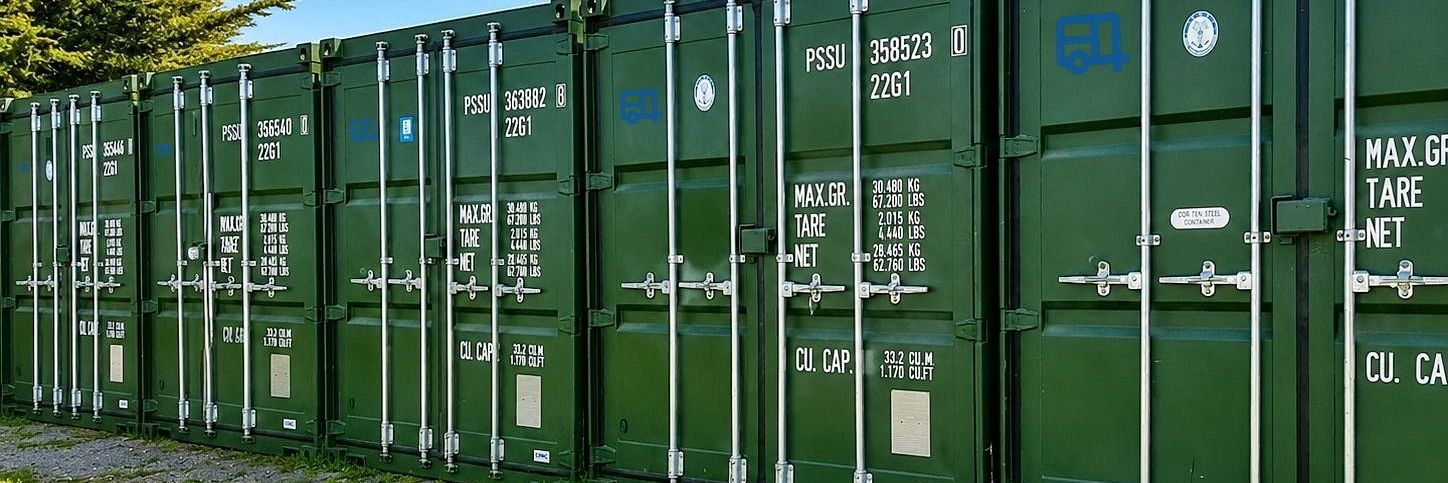
Container storage near Ipswich
If container storage appears suitable for your belongings, Suffolk Caravans provides secure container storage at Sheepdrift Farm in Brightwell, near Martlesham and Ipswich.
The facility offers:
- 24-hour customer access
- CCTV monitoring
- On-site staff
- Flexible short-term and long-term storage
- A convenient location just off the A12
- Additional Gold standard CaSSOA caravan storage area
- Access from Ipswich, Woodbridge, Felixstowe and surrounding areas
Container storage is available for household belongings, business equipment, tools, stock, caravan accessories and other suitable items.
Suffolk Caravans also holds CaSSOA Gold accreditation for its caravan and motorhome storage facility. CaSSOA does not separately accredit shipping container storage, but container customers benefit from many of the wider security arrangements operating across the site.
To check availability, current prices or whether a particular item is suitable, visit the secure container storage near Ipswich page or contact the Suffolk Caravans team.
Authoritative sources and further reading
- Self Storage Association UK Annual Industry Report 2026
- Hapag-Lloyd standard 20ft shipping-container specifications
- CaSSOA accreditation for caravan and motorhome storage
You might also like